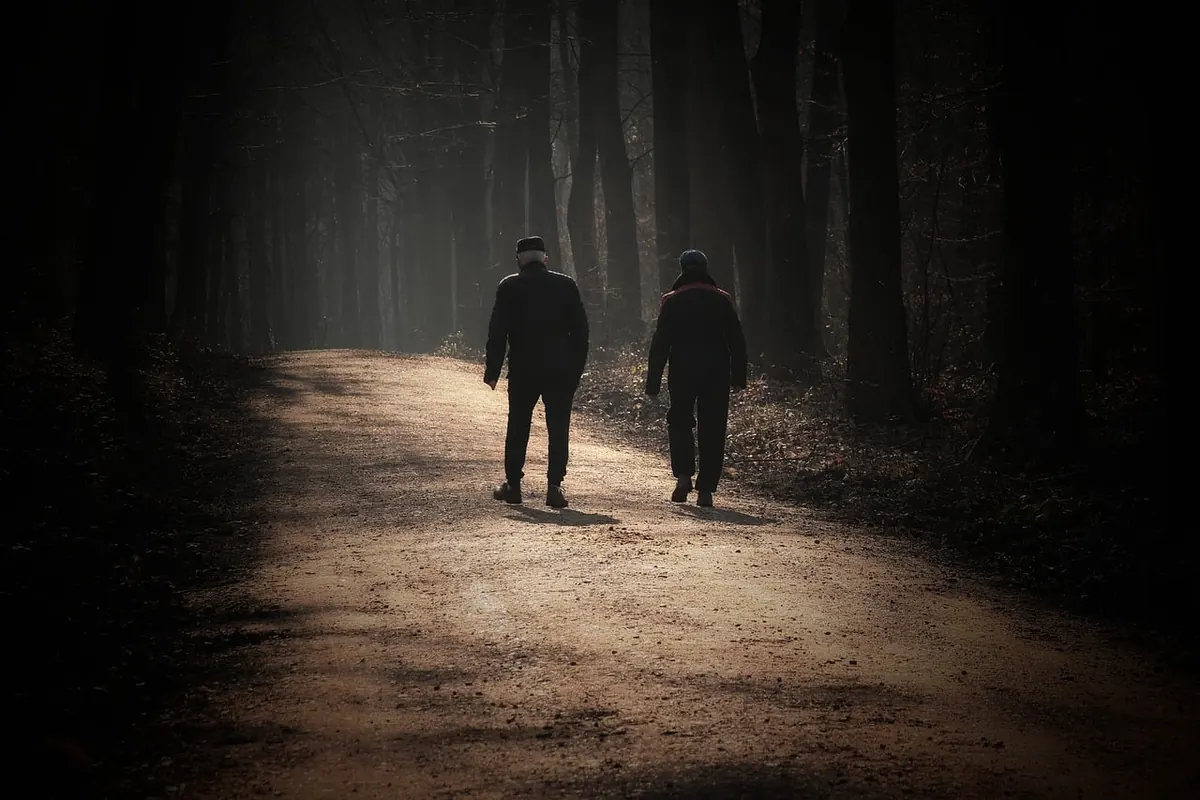
A Seasonal Guide to Energy: Adjusting Your Habits for Autumn and Winter

There is an afternoon in late October when the light turns thin and grey by four o'clock, and everything you planned for the evening suddenly feels like a lot. If you have noticed your energy following the light down, you are not imagining it, and you are not lazy. Bodies run on signals, and the loudest signal of all — daylight — is quietly shrinking. The encouraging part is that the same mechanism that makes the darker months feel heavy also responds well to small, deliberate adjustments. You do not need an overhaul. You need a handful of habits placed at the right points in the day.
What Actually Changes When the Days Get Shorter
Most people blame the cold, but the cold is rarely the main event. Light is. Your internal clock takes its cues from when light arrives, how bright it is, and when it disappears, and those cues set the timing of everything from hunger to alertness to when you start feeling sleepy.
In summer, you get that timing for free. You eat breakfast in a bright kitchen, walk to the car in sunshine, and sit outside after dinner without thinking about it. By November, the same routine happens in near-darkness at both ends. The routine still works. The signals have simply gone missing, and your body drifts later and flatter as a result.
Temperature plays a supporting role. Cold makes you want to stay put, and staying put removes the small movements that used to fill a day: the walk to the shop, the ten minutes in the garden, the lap around the block after lunch. Two quiet shifts, less light and less incidental movement, and the dip in energy makes complete sense.
Treat Light as Your Main Lever
Light does two jobs at once. It tells your body what time it is, and it sets the tone for how awake you feel. In the darker months you have to ask for it on purpose, which is less romantic than it sounds and far more effective than most people expect.
Morning: get outside, not just into a bright room
Within an hour of waking, try to spend ten to fifteen minutes outdoors. Overcast daylight is still dramatically brighter than any indoor lighting, so a grey morning walk counts. If leaving the house is not realistic, sit by your brightest window with the blinds fully open, and keep the room lights on too. Do not stare at the sun; just be in the light while you do something ordinary.
The trick is to attach the habit to something you already do. Put your shoes by the door the night before. Take your coffee outside. Walk to the end of the street and back before you open your laptop. A short walk you repeat is worth more than an ambitious plan you abandon by the second week.
Evening: make the dimming deliberate
At the other end of the day, the goal is the opposite. Bright overhead light after dinner tells your body it is still midday, which pushes sleepiness later and makes the next morning harder. Choose a time — nine o'clock, for example — and switch from ceiling lights to lamps. Warmer, lower light in the room you actually sit in will do more for your evenings than a rule about screens, though turning the brightest screen down helps too.
Change the Shape of Your Movement
Your summer movement was built into the day. Winter removes the scaffolding, not the need. Rather than trying to force the same routine into darker, colder hours, move the routine to where the light is.
Midday is the best real estate you have. Between roughly eleven and two, the light is at its strongest and the temperature is at its kindest, so that is when a walk earns the most. Twenty minutes after lunch will do more for your afternoon than a third coffee, and it stacks neatly with the morning light habit if you only manage one outdoor outing.
Keep an indoor backup that takes under ten minutes
Some days will be too wet, too icy, or too dark by the time you are free. Decide now what you will do instead, so the decision is already made when motivation is low.
- Two songs of dancing in the kitchen, no technique required.
- A short bodyweight circuit: squats, wall press-ups, a plank, repeated twice.
- Stairs, up and down, five times.
- Ten minutes of stretching or mobility work while the kettle boils.
- A brisk walk around the largest building you can reach without getting soaked.
Whatever you pick, keep the version so short it feels almost too easy. The point is to interrupt a long sedentary stretch, not to train for anything.
Anchor Your Day With Three Fixed Points
A steady rhythm beats a perfect one. When the light is unreliable, a few fixed points hold the day together, and your body will use them the way it uses daylight in June.
- A consistent wake time. Keep it within about an hour of your usual time, including at weekends. Your wake time steers your clock more reliably than your bedtime does, so protect it first.
- A first outing or a first bright half hour. A short walk, a coffee by the window, a bike ride to the shop. Something that marks the morning as morning.
- A wind-down cue. Lamps down, a warm drink, ten pages of a book. The same cue each night, so your body learns the sequence rather than guessing.
If your evening routine collapses, do not write off the whole week. Return to the wake time first and let the rest follow.
Warmth, Food, and the Evening Wind-Down
Warmth is a practical tool, not a luxury. A warm drink, a proper jumper, a hot water bottle, dry socks — these are small comforts that make a cold evening feel manageable rather than bleak, and they cost very little.
Food matters too, mostly in the shape of your day. A proper lunch, eaten away from your desk where possible, keeps the afternoon steadier than a handful of biscuits at four o'clock. Cook the things that suit the season: soups, stews, roasted vegetables, porridge in the morning. Batch cook once a week so that the dark evenings do not become a nightly negotiation with yourself about whether to bother.
Watch for the trap of treating the whole season as one long treat. A little extra sweetness or an extra glass of wine on a Friday is fine; using food and drink as the main source of comfort for four months tends to leave you flatter, not warmer. Plan smaller pleasures instead: a good film, an early night, a phone call with someone you like.
And keep the social thread going. Winter quietly thins out the casual contacts that summer provides, so put a few things in the diary before the season fills up with nothing. One standing arrangement a fortnight is usually enough to keep the week from feeling like a solo operation.
When the Dip Is More Than a Dip
Feeling slower and more indoor in winter is normal. Struggling to function for weeks is not something to push through quietly. If your mood stays low for a sustained stretch, if sleep and appetite have changed, or if things you normally enjoy have stopped mattering, speak to a doctor or a qualified mental health professional. Seasonal patterns are well recognised and treatable, and getting advice early is far easier than waiting until January.
This is general guidance, not medical advice. Your circumstances are your own, and a professional can look at them properly.
A Two-Week Starting Point
Do not attempt everything at once. Pick three things, run them for a fortnight, and then add more if the days still feel thin.
- Days one to three: fix your wake time and set a reminder to step outside within an hour of getting up.
- Days four to seven: move one outdoor walk to midday and choose your indoor backup.
- Days eight to ten: set a lights-down hour in the evening and switch to lamps.
- Days eleven to fourteen: cook once for the week ahead and put one standing plan in the diary.
Then notice what changed. Most people find the mornings feel easier first, and the evenings settle a week or two after that. Adjust what is not working, keep what is, and let the season be darker without letting it be heavier.
Photo: wal_172619 / Pixabay